Kent Hydra International FZE – Activated Carbon
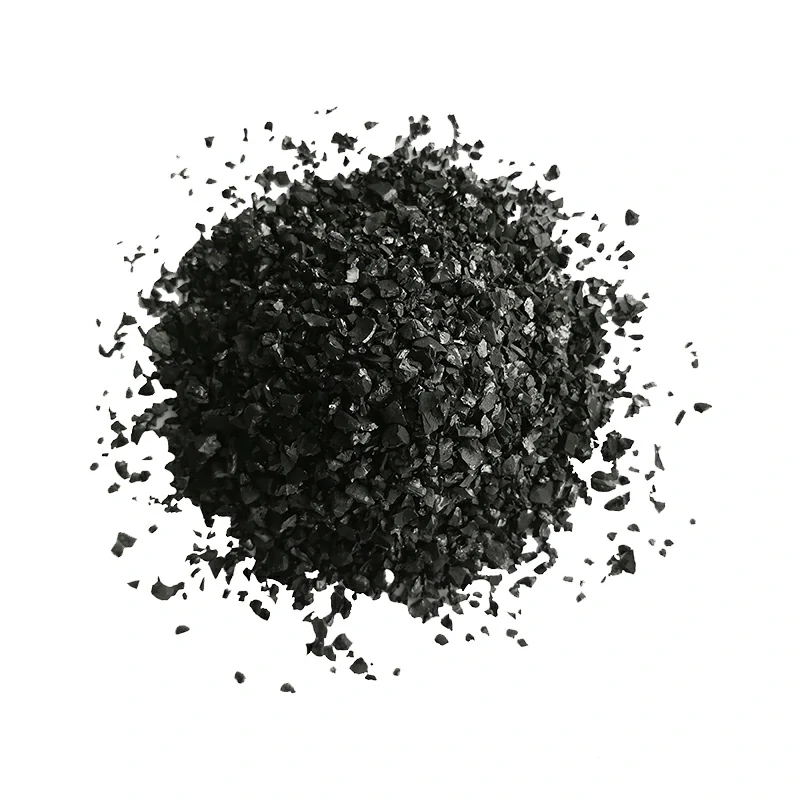
Activated carbon is a highly porous material used for purification, filtration, and adsorption applications across multiple industries. It is known for its excellent ability to remove impurities, odors, chemicals, and contaminants from air, water, and industrial processes.
1. Activated Carbon By Shapes
Granular Activated Carbon (GAC)
Granular activated carbon consists of irregular granules with high adsorption capacity. It is widely used in water treatment, air purification, and industrial filtration systems due to its durability and reusability.
Pellet Activated Carbon
Pellet activated carbon is cylindrical in shape and offers low dust formation with high mechanical strength. It is mainly used in gas purification, air filtration, VOC removal, and solvent recovery systems.
Powder Activated Carbon (PAC)
Powder activated carbon is a fine carbon powder with rapid adsorption properties. It is commonly used in wastewater treatment, food processing, chemical purification, and emergency contamination control.
Honeycomb Activated Carbon
Honeycomb activated carbon features a structured honeycomb design that provides low airflow resistance and high adsorption efficiency. It is ideal for air filtration, exhaust gas treatment, and VOC control applications.
2. Activated Carbon By Materials
Wood Activated Carbon
Wood-based activated carbon offers a large pore structure and excellent adsorption performance for decolorization and purification applications. It is commonly used in food, pharmaceutical, and chemical industries.
Coconut Shell Activated Carbon
Coconut shell activated carbon is produced from high-quality coconut shells and is known for its high hardness, low ash content, and superior adsorption capacity. It is widely used in water purification, gold recovery, and air filtration systems.
Coal Activated Carbon
Coal-based activated carbon provides strong adsorption efficiency and mechanical strength. It is suitable for industrial water treatment, gas purification, solvent recovery, and wastewater treatment applications.
3. Activated Carbon By Applications
Water Purification
Activated carbon removes chlorine, odor, organic contaminants, and harmful chemicals from drinking and process water, ensuring improved water quality and safety.
Wastewater Treatment
Coconut shell activated carbon is produced from high-quality coconut shells and is known for its high hardness, low ash content, and superior adsorption capacity. It is widely used in water purification, gold recovery, and air filtration systems.
Coal Activated Carbon
Used in industrial and municipal wastewater systems to remove pollutants, color, toxins, and dissolved organic compounds before discharge or reuse.
Gold Recovery
Activated carbon plays a vital role in gold extraction processes by adsorbing gold from cyanide solutions in mining operations.
Food Industry
In the food and beverage sector, activated carbon is used for purification, decolorization, odor removal, and improving product quality.
Air Filtration
Activated carbon effectively removes odors, smoke, harmful gases, and airborne contaminants from indoor and industrial environments.
Gas Treatment
Used for purification of industrial gases by removing impurities, sulfur compounds, and toxic gases from processing systems.
VOCs Treatment
Activated carbon helps control and remove Volatile Organic Compounds (VOCs) from industrial emissions, improving environmental compliance and air quality.
Solvent Recovery
Activated carbon systems capture and recover valuable solvents from industrial exhaust streams, reducing waste and operational costs.